Dental Crowns:
Zirconia & Porcelain Restorations
Expert Restoration of Tooth Strength, Function, and Aesthetics Using Advanced Digital Dentistry
Understanding Dental Crowns
What Is a Dental Crown? A dental crown is a custom-made, tooth-shaped "cap" that is placed over a damaged or weakened tooth. It is designed to cover the entire visible portion of the tooth down to the gum line, restoring its original shape, size, strength, and appearance.
Who Can Benefit?
Crowns are a necessary medical and cosmetic solution for individuals with:
- ✅ Severely decayed teeth (large fillings)
- ✅ Cracked or fractured teeth
- ✅ Teeth treated with a root canal (endodontically treated)
- ✅ Worn down teeth (from grinding / bruxism)
- ✅ Severely discolored or misshapen teeth
- ✅ Teeth that support a dental bridge
Why It's Important
A crown is not just cosmetic; it is a critical restorative procedure. It seals the tooth from further decay, prevents fractures, and distributes bite forces evenly. This procedure is essential for:
- ✅ Restoring full chewing function
- ✅ Protecting the underlying tooth from extraction
- ✅ Maintaining proper bite alignment
- ✅ Providing a long-term, durable solution
Crown Types: Zirconia vs. Porcelain (E-Max)
We exclusively use advanced, metal-free ceramics for the best biocompatibility and aesthetics. The choice between Zirconia and E-Max depends on the tooth's location and functional needs.

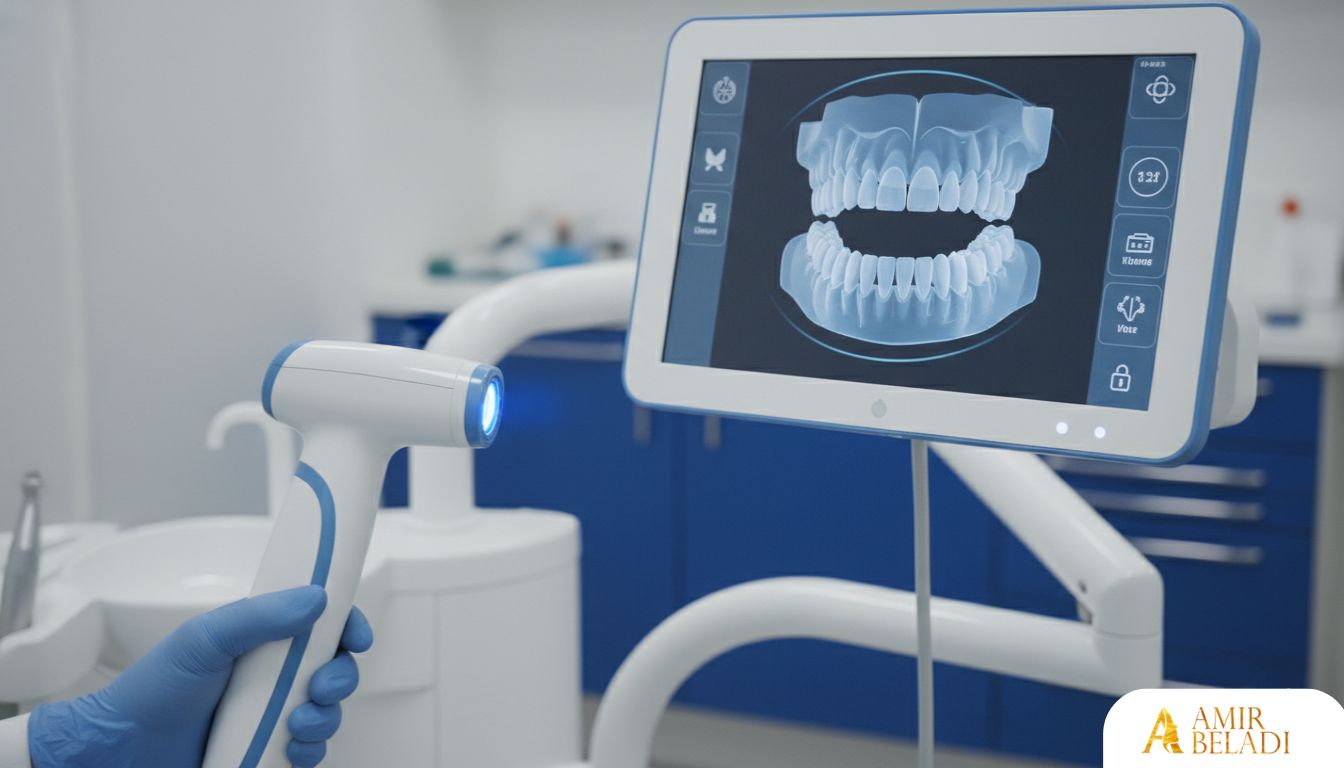
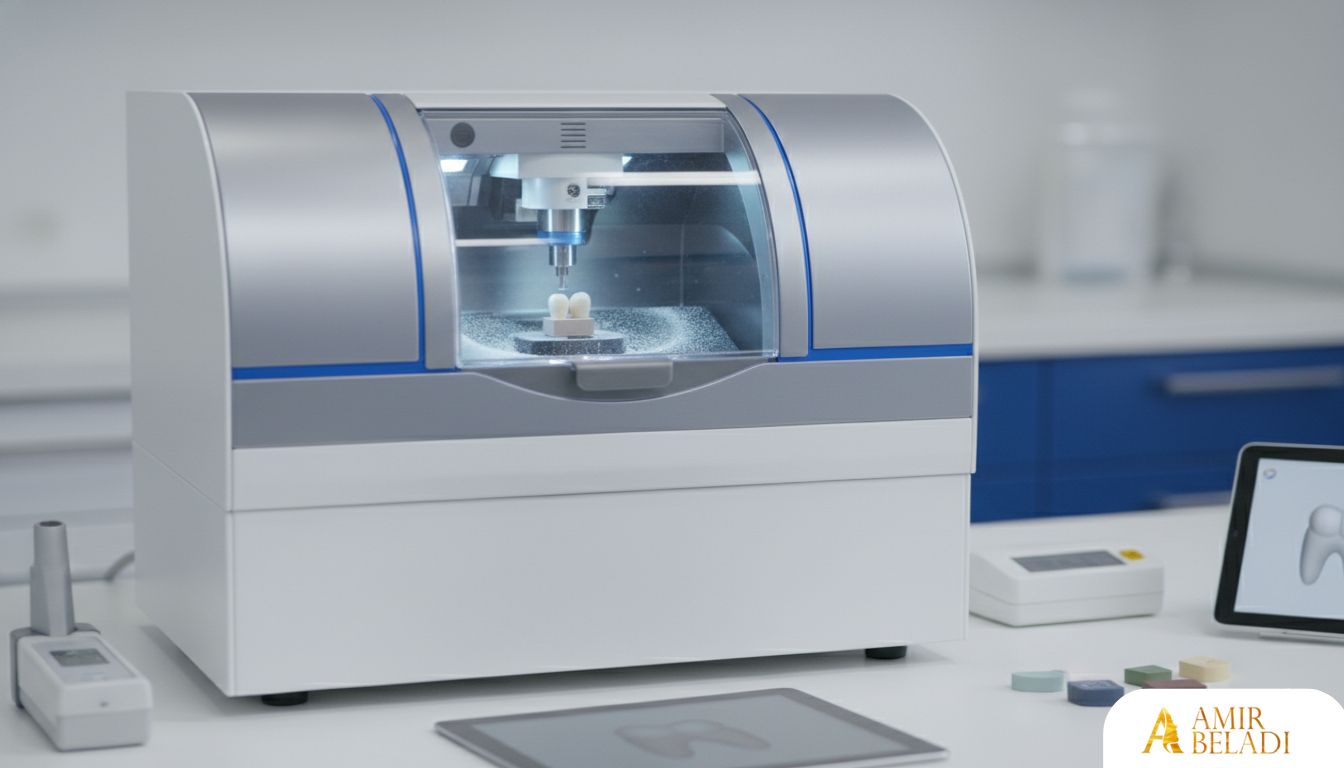
Our Technology: CAD/CAM & 3D Scanning We use 3D intraoral scanners to take digital impressions—no messy putty. This data is fed into a CAD/CAM (Computer-Aided Design/Manufacture) system, allowing for highly precise, and in some cases, same-day crown fabrication.
The Procedure Timeline (Two-Visit Protocol)
Visit 1: Consultation & Preparation
60-90 Minutes
- Consult & Scan: Clinical exam, X-rays, and 3D digital scan.
- Anesthesia: Local anesthetic is applied to numb the tooth and surrounding gum tissue.
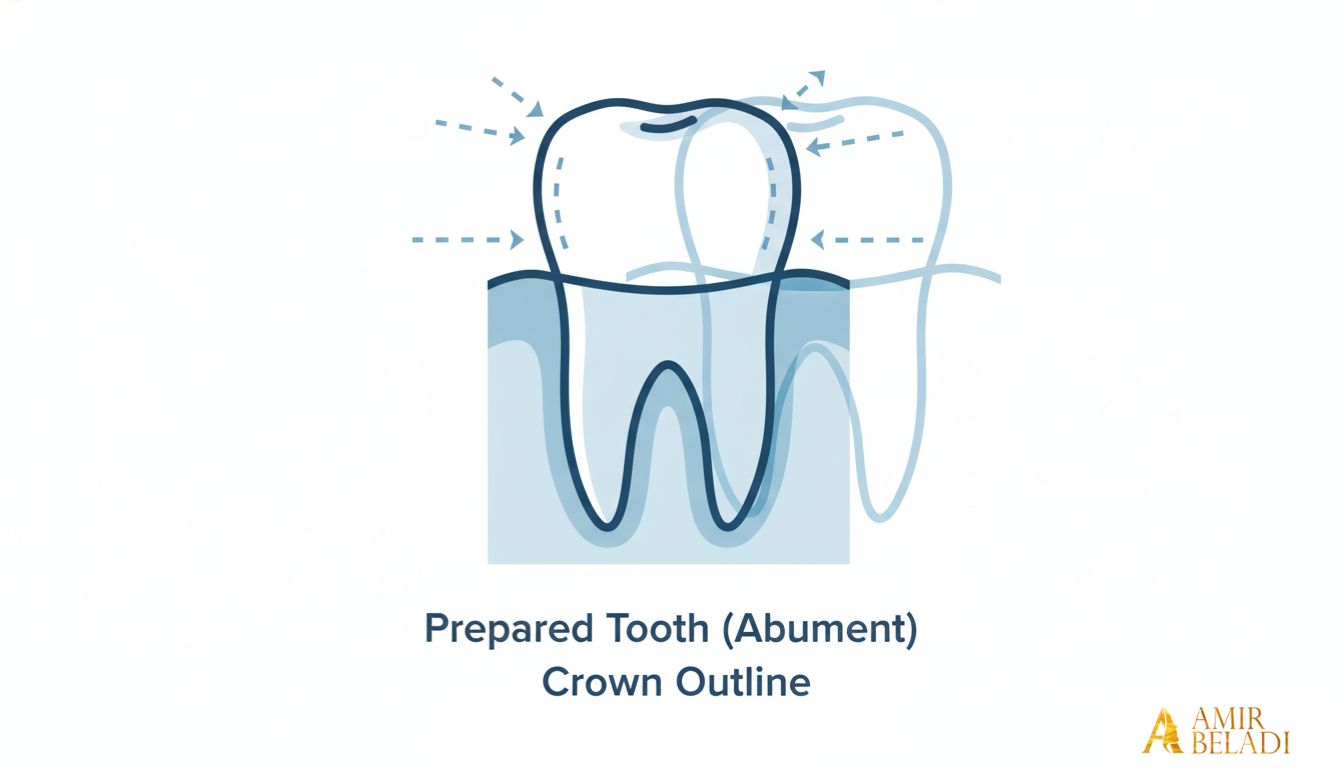
- Tooth Preparation: The dentist carefully re-shapes (files down) the tooth to create space for the crown.
- Final Impression: A highly accurate digital scan is taken of the prepared tooth.
- Temporary Crown: A custom-made temporary crown is placed to protect the tooth while the permanent crown is fabricated.
Visit 2: Permanent Crown Cementation
30-60 Minutes (1-2 weeks later)
- Remove Temporary: The temporary crown is gently removed and the tooth is cleaned.
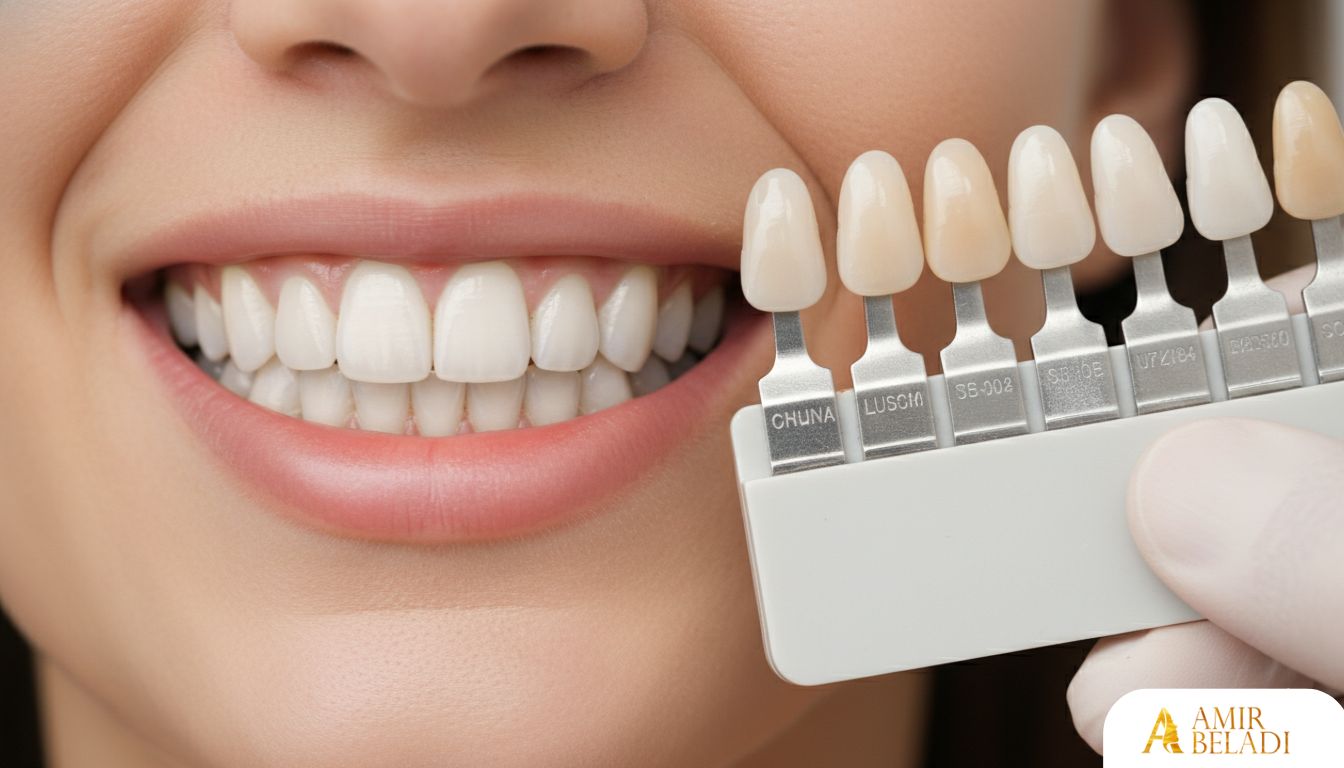
- Try-In: The permanent crown is placed to check for perfect fit, bite (occlusion), and color match.
- Cementation: Once approved, the crown is permanently bonded to the tooth using a special dental cement.
- Final Polish: The dentist polishes the crown and checks the bite one last time.
Same-Day CEREC Option: For suitable candidates, we can use our in-house CAD/CAM milling unit to design, fabricate, and place a permanent Zirconia or E-Max crown in a single visit (approx. 2-3 hours). Ask your dentist if this is an option for you.
Pre-Treatment Preparation
1-2 Weeks Before
- Ensure you have a consultation and X-rays.
- If a deep cleaning is needed, it should be done well before your crown prep.
- Maintain excellent oral hygiene (brushing and flossing).
Medication
- Most medications can be continued as normal.
- Inform your dentist of all medications, especially blood thinners (anticoagulants).
- Discuss any dental anxiety; pre-visit sedation options may be available.
Day of Preparation Visit
- Eat a good meal before your appointment, as your mouth will be numb for several hours afterward.
- Brush and floss thoroughly before arriving.
- Arrive on time to complete any necessary paperwork.
We cannot proceed with a permanent crown if you have active gum disease (periodontitis) or untreated decay in the tooth. These issues must be medically resolved first. A crown also requires sufficient remaining tooth structure to provide adequate support.
Aftercare & Recovery Timeline
With Temporary Crown (First 1-2 Weeks)
Numbness will wear off in 2-4 hours. Expect some gum tenderness and sensitivity.
- ✗ DO NOT eat hard (nuts, ice) or sticky (gummies, toffee) foods.
- ✗ Flossing: Do not pull *up* on the floss. Pull it *through* the side.
- ✓ Brush normally but gently around the temporary crown.
After Permanent Crown (First 48 Hours)
The cement needs time to fully cure. Gums may be slightly irritated.
- ✓ You can eat normally after numbness subsides, but avoid extremely hard/sticky foods for 24h.
- ✓ Some sensitivity to hot or cold is normal and can last several weeks.
Long-Term Care (Lifetime)
Treat your crown exactly like a natural tooth. The tooth underneath can still decay.
- ✓ Impeccable Hygiene: Brush twice daily and floss *daily*.
- ✓ Regular Check-ups: Visit your dentist every 6 months for cleaning and inspection.
- ✗ Avoid: Chewing ice, biting nails, or using teeth to open packages.
Warning Signs: Contact Us Immediately
Call the clinic if you experience:
- ⚠️ Your temporary crown falls off or breaks (keep the crown).
- ⚠️ Your bite feels "high" or uneven.
- ⚠️ Severe, throbbing pain (not just sensitivity).
- ⚠️ The permanent crown feels loose or "clicks."
Safety, Side Effects, and Clinic Protocols
Common Side Effects
- Sensitivity: ~70%. Temporary sensitivity to hot/cold is the most common side effect. It usually resolves within a few weeks.
- Gum Irritation: ~40%. Gums may be tender for a few days post-preparation and post-cementation.
- Bite Misalignment: ~10%. The crown may feel "high." This is easily corrected with a simple bite adjustment in our office.
Rare Complications
- ⚠️ Debonding: The crown may become loose or fall off due to cement failure or underlying decay.
- ⚠️ Nerve Irritation: Preparation can sometimes irritate the tooth's nerve, leading to the need for a root canal (endo-treatment) later.
- ⚠️ Fracture: Zirconia is extremely strong, but porcelain (E-Max) can chip or fracture under excessive force (e.g., trauma, ice chewing).
Amir Beladi Safety Protocols
- Biocompatible Materials: We use only FDA-cleared, medical-grade Zirconia and Lithium Disilicate (E-Max) to eliminate metal allergies and gray gum lines.
- Digital Precision: Our 3D intraoral scanners ensure a precise fit to <100 microns, minimizing gaps where bacteria can cause decay.
- Meticulous Bite Checking: We use articulating paper and digital sensors to ensure your bite (occlusion) is perfectly balanced, preventing jaw pain or crown fractures.
Results & Realistic Expectations

Realistic Timeline
- Immediate: Full function and aesthetics are restored the moment your permanent crown is cemented.
- 1-3 Weeks: Any initial sensitivity to hot or cold should gradually fade.
- Long-Term: The crown becomes a normal, functional part of your mouth.
What to Expect
- Natural Look: We meticulously shade-match the crown to your adjacent teeth.
- Natural Feel: After a few days, you should not be able to tell the difference between your crown and your natural teeth.
- It's Not Invincible: A crown protects the tooth, but the root and the margin (where the crown meets the tooth) are still susceptible to decay.
Success Rates & Longevity
With proper care, clinical studies show that Zirconia and E-Max crowns have a 95-99% success rate over 5 years and can realistically last 10 to 15 years or longer. Longevity depends almost entirely on patient hygiene, diet, and regular 6-month dental check-ups.
Personalized Treatment Investment
Because each tooth restoration is unique, a transparent investment plan can only be provided after a detailed clinical assessment and X-ray evaluation by our dental specialists.
How We Determine Your Investment:
- • Material Choice: (e.g., High-Aesthetic E-Max vs. High-Strength Zirconia).
- • Complexity: (e.g., A simple crown vs. one requiring a core build-up post-root canal).
- • Fabrication: (e.g., Standard lab fabrication vs. in-house CEREC same-day).
- • Additional Procedures: (e.g., Need for root canal or gum contouring).
We offer structured package pricing and flexible payment options which will be clearly outlined during your consultation.
Get a Personalized QuoteFrequently Asked Questions
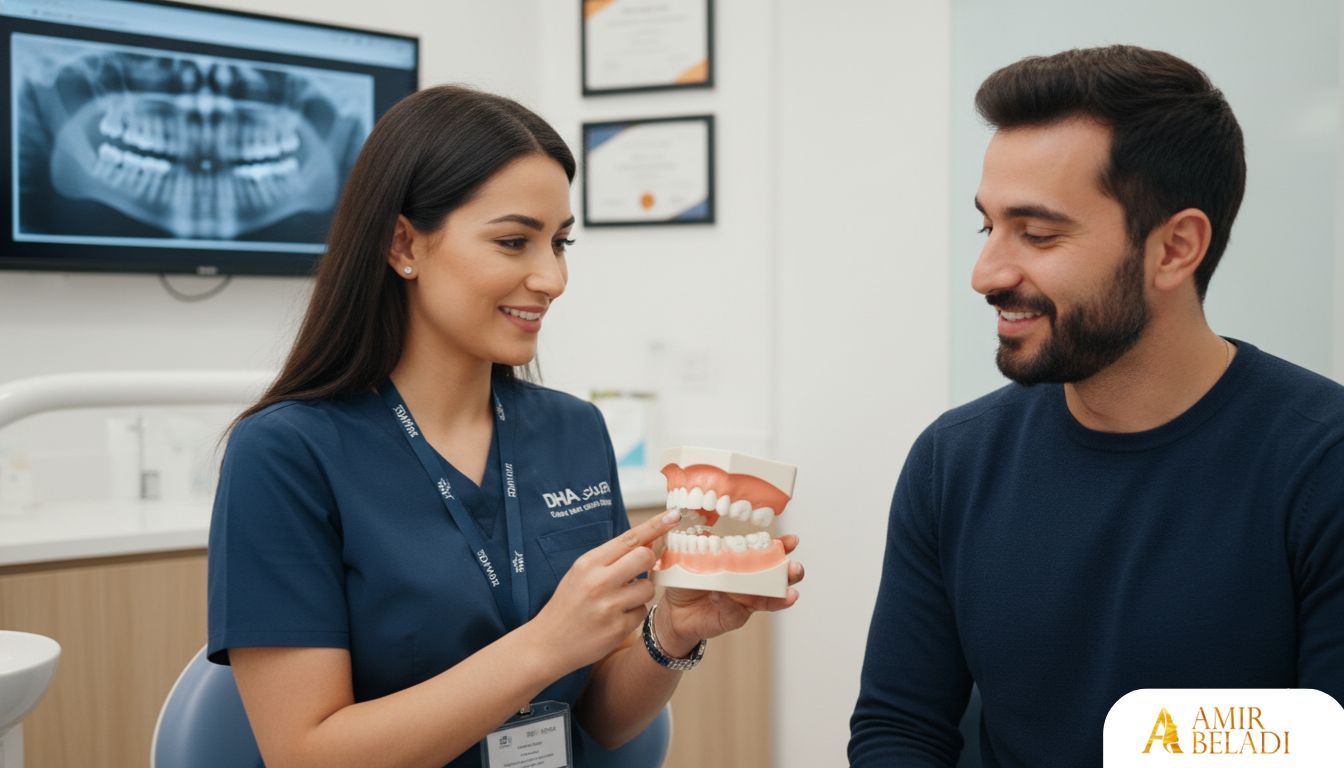
Our Specialist Dental Team & Technology
Prosthodontist Credentials
- ✓ DHA Licensed Prosthodontists & Cosmetic Dentists
- ✓ Specialized training in complex restorations
- ✓ Members of International Dental Associations
- ✓ Expertise in bite (occlusion) and aesthetics
Pioneering Technology
- ✓ 3D Intraoral Scanners: No-mess, highly accurate digital impressions.
- ✓ In-House CEREC/CAD/CAM: For precise, same-day crown milling.
- ✓ Digital X-Ray & CBCT: Low-radiation imaging for perfect diagnosis.
- ✓ Digital Shade Matching: Guarantees a perfect aesthetic blend.
Quality & Certification
- ✓ DHA-Approved Medical Protocols
- ✓ US FDA & CE-Cleared Materials Only
- ✓ Partnership with Master Ceramist Labs
- ✓ Strict Sterilization & Infection Control
Take The First Step to Restore Your Smile
Schedule a consultation to receive a full dental exam, X-rays, and a personalized plan for your crown.
Same-Day Options Available
Central Dubai Location
Certified Prosthodontists
Or call us directly: +971 54 888 1488